Concrete Cancer Repairs
Melbourne
We Specialise in Concrete Cancer Repairs in Melbourne
Concrete cancer, also known as spalling or concrete degradation, is a common problem, particularly in older buildings thorughout Melbourne. Over time, exposure to moisture and environmental wear can cause the steel reinforcement inside concrete to corrode. As the steel rusts and expands, it puts pressure on the surrounding concrete, leading to cracking, flaking and structural damage.
Melbourne is home to a wide mix of buildings, including Art Deco apartments, 1950s–70s unit blocks, and larger residential apartment buildings. Many of these were constructed several decades ago using materials and building techniques that may not meet today’s durability standards. Combined with ageing infrastructure, this can increase the risk of concrete cancer developing – especially in exposed areas such as balconies, stairwells and façades.
The risk is even greater due to many homes in Melbourne being in beachside suburbs. This is because exposure to salty air can accelerate the corrosion of steel reinforcement within concrete.
At Concrete Construction Solutions, we specialise in the assessment and repair of concrete cancer throughout Melbourne and suburbs. Our team uses a targeted approach, including mechanical removal of damaged concrete, treatment of corroded steel, and the application of zinc-rich primers to help prevent further deterioration. We also install sacrificial anodes to redirect corrosion away from the reinforcement and finish with high-build cementitious products to restore strength and integrity.
If you’ve noticed signs of concrete cancer in your Melbourne property – such as flaking concrete, rust stains or cracking – get in touch with us for expert repairs tailored to your building’s condition and location.
Concrete cancer project in Melbourne
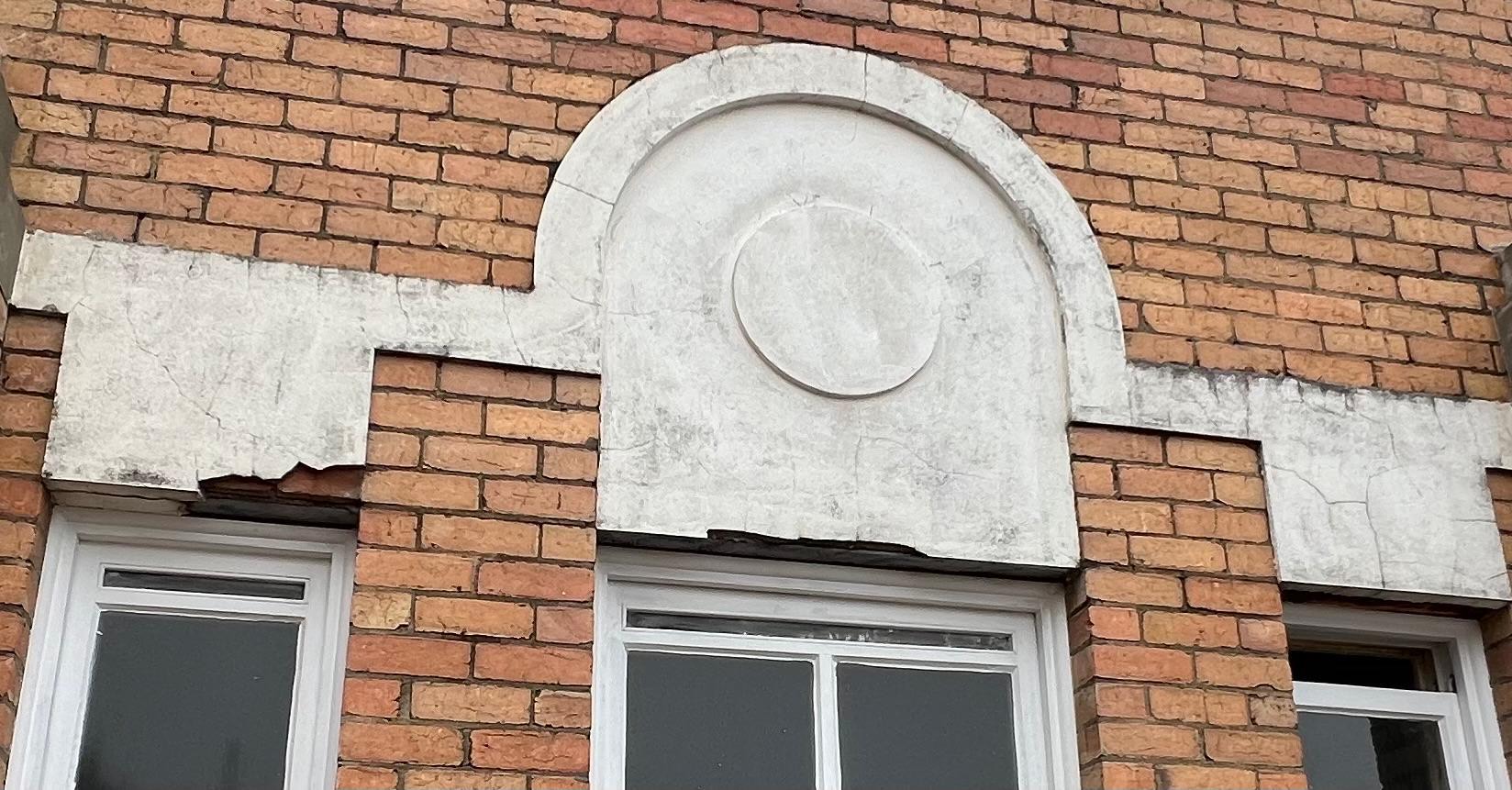
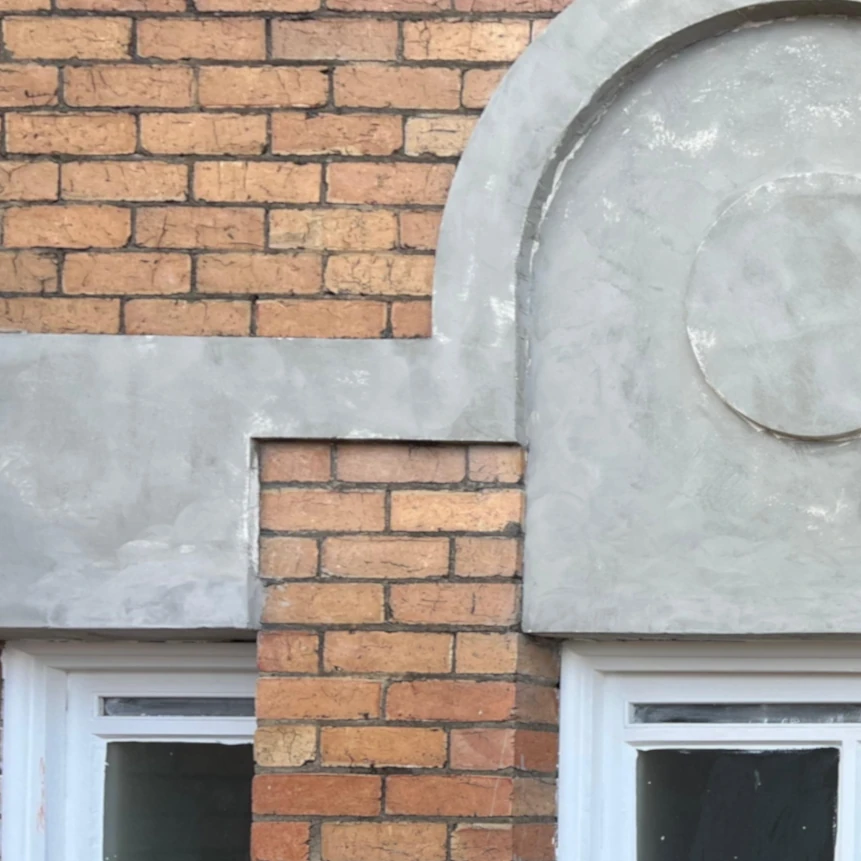
We completed major concrete cancer repairs as well as the careful restoration of a 1930s apartment building in Melbourne. This breathed new life into its exterior while ensuring its long term durability. During the project, we also patched and structurally repaired the ageing building, re rendered the exterior, and finished with a high quality exterior paint.


common signs of concrete cancer
in Melbourne properties
Here are just a few of the signs of concrete cancer:
- Cracking or Flaking Concrete: Visible cracks or flaking on the concrete surface
- Rust Stains: Brown or orange stains seeping from within the concrete, indicating corroding steel reinforcement
- Bubbling of Render: Bubbling of concrete render or paint, often due to inadequate waterproofing
- Exposed Reinforcement: Visible rusting steel bars due to spalled or cracked concrete
- Hollow Sounding Concrete: A hollow sound when tapping on the concrete surface, suggesting internal voids or delamination
- Leaks in Overhead Surfaces: Water seepage through cracks, especially in ceilings or balconies. support


before
After
Main causes of
concrete cancer
Here are some of the main causes of concrete cancer:
- Corrosion of Steel Reinforcement: Rusting of steel bars inside concrete due to water and salt exposure
- Exposure to Moisture and Water: Water infiltration weakens concrete and speeds up corrosion
- Chloride Exposure: Saltwater causes rapid steel corrosion, particularly in coastal areas, including Melbourne
- Poor Construction: Low quality materials and improper curing make concrete more vulnerable
- Carbonation: Carbon dioxide reduces concrete’s pH, leading to steel corrosion
- Thermal and Moisture Expansion: Temperature and moisture changes cause cracking and spalling
- Inadequate Waterproofing: Poor waterproofing allows moisture to penetrate and damage concrete
- Age of the Concrete: Older concrete is more prone to moisture infiltration and corrosion
- Incompatible Reinforcing Metals: Contact between different metals in the presence of moisture can trigger galvanic reactions, leading to corrosion of the weaker metal and subsequent concrete damage
- Reinforcing Bars Too Close to the Surface: When steel reinforcement is positioned near the concrete surface, it is more susceptible to moisture exposure, increasing the risk of oxidation and concrete cancer
- Stress Fractures from Excessive Weight: Overloading concrete structures can cause stress fractures, providing pathways for water to reach the reinforcement, leading to corrosion and concrete degradation
We inspect, diagnose, and then repair your concrete cancer using the most effective solution
benefits in repairing
concrete cancer
Here are just a few of the benefits of repairing concrete cancer:
- Enhanced Integrity – Restores strength and stability, preventing collapse
- World-Leading Technology – We use the latest technology for the best results
- Increased Longevity – Extends structure lifespan by up to 50 years
- Flexible System – Suitable for both large and small areas
- Improved Safety – Minimises hazards and potential injuries
- Cost Savings – Early repairs are cheaper than major ones
- Aesthetic Appeal – Improves the look of concrete surfaces
- Prevention of Rust Stains – Stops rust from staining the surface
- Regulatory Compliance – Meets building codes and safety regulations
- Property Value – Potentially increases market value
- Improved Load-Bearing Capacity – Ensures that the structure can safely bear the loads it was designed to support
- Peace of Mind – Ensures safety and reduces liability concerns
Concrete Cancer Reparis Melbourne - FAQs
What is concrete cancer?
Concrete cancer occurs when the steel reinforcement (rebar) inside concrete begins to rust, usually due to water ingress or poor-quality construction. As the steel rusts, it expands, causing the surrounding concrete to crack, spall, and weaken over time.
At Concrete Construction Solutions, we provide expert concrete cancer repair solutions for Melbourne properties to restore the integrity of affected structures.
How can I identify if there is concrete cancer in my Melbourne property?
Common signs of concrete cancer include:
Cracking or flaking concrete
Rust stains on surfaces
Bubbling paint or render
Exposed or corroded steel reinforcement
Cracks that grow over time
What are the common causes concrete cancer?
Concrete cancer is usually caused by:
Water ingress from leaks or poor drainage
Coastal or high humidity conditions
Salt exposure in certain areas
Poor quality construction materials
How will you repair the concrete cancer in my Melbourne property?
Our concrete cancer repair process usually involves:
Removing damaged concrete and treating exposed steel
Applying corrosion inhibitors or replacing rusted reinforcement
Patching affected areas with high-quality repair compounds
Applying protective coatings to prevent future damage
Do you handle heritage or older buildings in Melbourne?
Yes. We have extensive experience in concrete cancer repairs for 1950s and older properties in Melbourne and surrounding suburbs. We always ensure our concrete cancer repairs preserve the original character while reinforcing structural integrity.
Can concrete cancer be prevented in Melbourne properties?
Yes, there are steps you can take to try and prevent the onset of concrete cancer. This includes:
Regular concrete inspections
Proper drainage and waterproofing
Sealing concrete surfaces
Promptly fixing minor cracks
About us
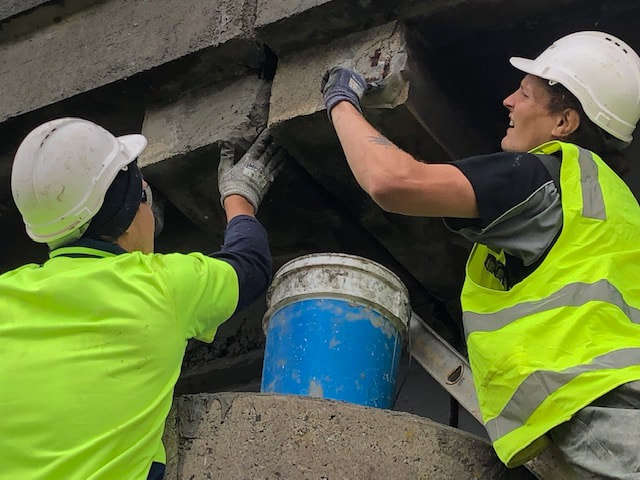
Concrete Construction Solutions has a highly specialised concrete team, along with 25 years experience in evaluating, assessing, and rectifying all concrete and engineering problems.
In additon to concrete cancer repairs we also specialise in patching & repairs, coloured concrete, concrete sealers, exposed aggregate, rectifications, waterproofing, concrete preservation, and cutting & demolition.
We offer expert guidance and practical solutions for all your concrete requirements. Our team specialises in commercial, civil, and residential concreting, delivering optimal outcomes for your projects..
We SPECIALISE IN
COMMERCIAL, CIVIL AND DOMESTIC
CONCRETE SOLUTIONS in Melbourne
Specialist Skills Available in Melbourne & SURROUNDING SUBURBS
Concrete work involves more than simply laying concrete. Our expertise spans across various industries, ensuring that you receive professional service from individuals who possess a deep understanding of concrete.
COMMERCIAL
- Offices
- Retail shops
- Warehouses
- Factories
- Hospitality
- Shopping centres
civil
- Sporting facilities
- Education facilities
- Roads
- Bridges
- Medical facilities
- Car parks
residential
- Driveways
- Foundations
- Retaining walls
- Drainage solutions
- Outdoor living areas
engineering
- Site audits
- Ground conditions
- Soil testing
- Concrete testing
- Scanning
- Design briefs
More about Melbourne
Melbourne is the capital city of Victoria and one of Australia’s largest and most diverse metropolitan areas. Known for its mix of modern high-rise developments, heritage architecture, and extensive infrastructure, the city spans from the central business district to a wide range of inner and outer suburbs.
With a temperate climate, coastal exposure in some areas, and an ageing built environment, Melbourne presents unique challenges for maintaining concrete structures across commercial, industrial, and residential properties.