Concrete Cancer Repairs for Owners Corporations in Melbourne
Concrete Cancer Repairs
for Melbourne
Owners Corporations
Concrete deterioration caused by concrete cancer, can present significant maintenance challenges for Melbourne apartment buildings. Concrete cancer, cracking and spalling can affect balconies, walkways, lintels, car parks, beams, columns and other shared structures. If left untreated, these problems can worsen and lead to more extensive repairs.
Concrete Construction Solutions specialises in concrete cancer repairs for owners corporations (also known as body corporates) throughout Melbourne. With more than 25 years of experience, we help owners corporations address deteriorating concrete in apartment buildings and common areas. Our team can assess affected areas and carry out appropriate repairs to help maintain the condition and integrity of existing concrete structures.
WHY IS CONCRETE CANCER
COMMON IN APARTMENT BUILDINGS
Concrete cancer is the common term for deterioration that occurs when the steel reinforcement inside concrete begins to corrode. Moisture and chlorides can contribute to corrosion, allowing the steel to rust and expand. This puts pressure on the surrounding concrete, causing it to crack, bulge and eventually break away.
Concrete cancer is a concern for apartment buildings because they often contain extensive reinforced concrete structures exposed to weather, moisture and high traffic areas. Balconies and external walkways can be vulnerable to water ingress when waterproofing deteriorates or drainage is inadequate. Underground car parks and other shared areas can also experience moisture related deterioration.
The risk can increase with age, poor drainage, construction defects, inadequate concrete cover over reinforcing steel and exposure to harsh environmental conditions. However, concrete cancer can affect buildings of different ages, and the cause needs to be assessed in each case.
For owners corporations, recognising the early signs of concrete cancer is important. Cracking, rust stains, flaking concrete and exposed reinforcing steel can indicate deterioration that requires further investigation. An assessment can establish the extent of the damage and help determine the appropriate repairs.




What Owners Corporations Need to Consider
Arranging concrete cancer repairs in an apartment building involves coordinating the work, managing costs and considering the needs of residents. Some of the things to think about include:
- Understanding the Extent of the Damage – Establishing which areas require repairs and whether further investigation is needed to identify other potentially affected sections of the building.
- Coordinating Work Around Residents – Planning access to balconies, car parks and shared areas while minimising disruption to residents and visitors.
- Planning the Repair Budget – Obtaining a clear scope of work and cost estimate to help the owners corporation committee make informed decisions about repair costs and funding.
- Addressing the Cause – Considering whether water ingress, deteriorated waterproofing or drainage problems also need attention to help reduce the risk of further concrete deterioration.
Taking these factors into account can help owners corporations plan concrete cancer repairs and manage maintenance responsibilities for their apartment buildings.
We help owners corporations repair apartment buildings affected by concrete cancer.
WHAT OUR CLIENTS THINK ABOUT OUR
CONCRETE CANCER REPAIR SERVICES
“Had the guys fix a few of our balconies and some other damaged concrete around the building. They were so helpful, super clear communication, and went above and beyond to do a bit extra for the building. Highly recommend.”
Robbie Van Rijk
photos before concrete cancer repairs


photos after concrete cancer repairs


common signs of concrete cancer
in Melbourne properties
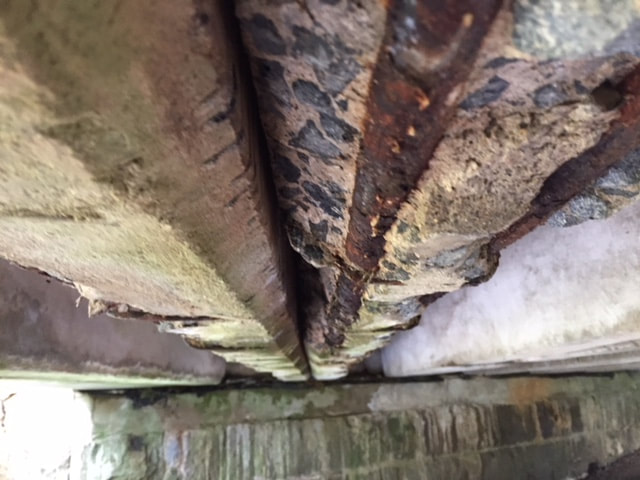
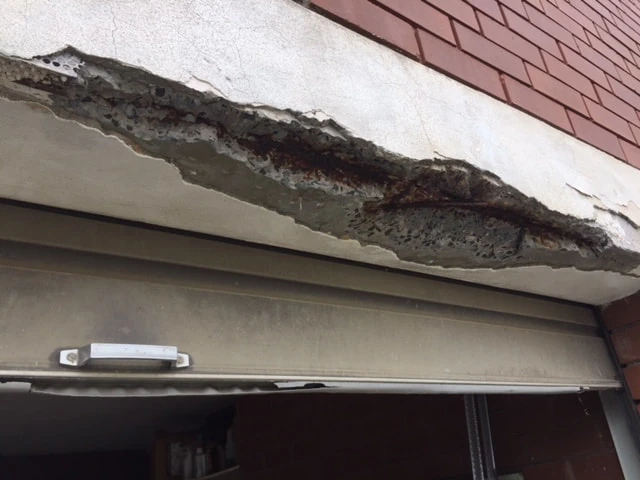
- Exposed Reinforcement: Rusting steel bars visible where concrete has broken away from balcony edges, balcony undersides, car park ceilings or other concrete structures.
- Rust Stains: Brown or orange stains on balcony surfaces, walkways, concrete facades or car park ceilings, which can indicate corroding steel reinforcement inside the concrete.
- Cracking or Flaking Concrete: Cracks, flaking or pieces of concrete breaking away from balconies, external walls, columns, beams or shared walkways.
- Hollow Sounding Concrete: Areas on balcony undersides, concrete walkways or car park ceilings that sound hollow when tapped, potentially indicating that the concrete has separated internally.
- Bubbling or Peeling Render: Bubbling, cracking or peeling paint and render on apartment building facades, balcony surfaces or concrete ceilings, which may be associated with moisture entering the structure.
- Water Leaks and Dampness: Water seeping through balcony slabs, car park ceilings or other overhead concrete surfaces, potentially indicating failed waterproofing, cracks or water ingress.
We provide tailored concrete cancer repairs for apartment buildings.
Main causes of
concrete cancer in apartment buildings
Here are some of the main causes of concrete cancer in apartment buildings:
- Corrosion of Steel Reinforcement: Steel reinforcement inside concrete can rust when moisture, oxygen and other corrosive substances reach the steel. As the rust expands, it can cause cracking and concrete to break away.
- Water Ingress: Water entering through balcony slabs, car park ceilings, cracks and exposed concrete surfaces can contribute to reinforcement corrosion and concrete deterioration.
- Chloride Exposure: Salt carried in sea spray can contribute to steel corrosion in apartment buildings near the coast, including Melbourne’s Bayside suburbs. Deicing salts and other chloride sources can also be relevant where present.
- Construction Defects: Poor concrete placement, inadequate curing or insufficient cover over reinforcing steel can leave concrete more vulnerable to moisture penetration and corrosion.
- Carbonation: Carbon dioxide gradually reduces the alkalinity of concrete. Over time, this can remove the protection around reinforcing steel and allow corrosion to begin when moisture and oxygen are present.
- Temperature and Moisture Changes: Repeated expansion and contraction can contribute to cracking in exposed balconies, building facades and other concrete elements, allowing moisture to enter.
- Failed Balcony Waterproofing: Deteriorated or damaged waterproofing membranes can allow water to penetrate balcony slabs and contribute to concrete deterioration and corrosion of the reinforcement.
- Age and Wear: As apartment buildings age, concrete surfaces, sealants and protective coatings can deteriorate. Without suitable maintenance, moisture can enter and increase the risk of reinforcement corrosion.
- Incompatible Metals: Where different metals are in electrical contact in the presence of moisture, galvanic corrosion can occur under suitable conditions. This may contribute to deterioration around certain fixings or reinforcement connections.
- Insufficient Concrete Cover: When reinforcing steel is too close to the concrete surface, moisture and corrosive substances can reach it more readily. This can be a concern in balcony edges, columns, beams and external concrete walls.
- Structural Cracking and Excessive Loads: Cracking caused by structural movement, design or construction issues, or loads beyond those the structure was designed to carry can create pathways for moisture and may require engineering assessment.
“`
About us
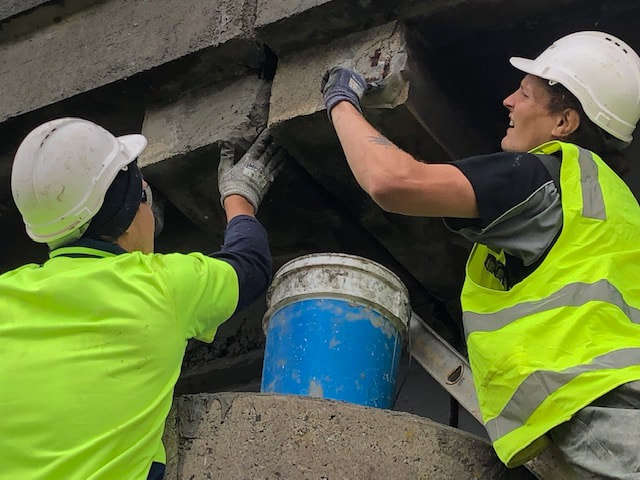
Concrete Construction Solutions specialises in concrete cancer repairs for apartment buildings, working with owners corporations, body corporate committees and strata managers throughout Melbourne.
With a highly specialised concrete team and 25 years of experience assessing and rectifying concrete problems, we help those responsible for apartment building maintenance address deteriorating concrete in common property, including balconies, walkways, facades and car parks.
We provide practical advice and suitable repair solutions to help owners corporations manage concrete deterioration and maintain shared structures within their apartment buildings.
Concrete Cancer Repairs melbourne apartment buildings - FAQs
What is concrete cancer in an apartment building?
Concrete cancer occurs when the steel reinforcement inside concrete corrodes, causing the surrounding concrete to crack, bulge or break away. In apartment buildings, this can affect common property such as balconies, walkways, facades and car parks. An assessment can help establish the extent of the damage and the repairs required.
Who is responsible for arranging concrete cancer repairs in an apartment building?
Where concrete cancer affects common property, the owners corporation is generally responsible for arranging necessary maintenance and repairs, subject to the applicable legislation and the property’s plan of subdivision. Owners corporation committees often work with a strata manager to organise assessments, obtain repair quotes and coordinate the work.
How do owners corporations arrange concrete cancer repairs?
The first step is to arrange an assessment of the affected concrete. Once the extent of the damage and the likely repair requirements are understood, the owners corporation can review the proposed scope of work, costs and any engineering advice required before deciding how to proceed.
How much do concrete cancer repairs cost for an apartment building?
The cost depends on the extent of the deterioration, the location of the damage, access requirements and the repair methods needed. Repairs to several balconies or a large car park will differ from repairs to a small, localised area. A site assessment and clearly defined scope of work can help the owners corporation understand the likely costs.
Can concrete cancer repairs be carried out while residents are living in the building?
In many cases, repairs can proceed while residents remain in the building. Temporary restrictions may be needed around affected balconies, walkways, car parks or other shared areas. Access arrangements and safety measures depend on the work involved, so residents should be informed about any expected disruption.
Does an owners corporation need a structural engineer’s report?
This depends on the location and severity of the damage. Where concrete deterioration may affect structural elements, advice from a suitably qualified structural engineer may be required. An initial assessment can help establish whether further investigation or engineering advice is needed.
Can concrete cancer return after repairs?
Concrete cancer can recur if the conditions that caused the original deterioration remain. For example, ongoing water ingress or failed balcony waterproofing can contribute to further corrosion. Appropriate repair methods, attention to underlying moisture problems and ongoing maintenance can help reduce the risk of recurring damage.
How long do concrete cancer repairs take?
The timeframe depends on the amount of damaged concrete, the location of the repairs, site access and whether additional work, such as waterproofing, is required. Repairs affecting multiple balconies or shared structures may need to be staged to manage access and disruption for residents. The expected timeframe can be discussed once the scope of work has been established.
Where do you provide concrete cancer repairs for apartment buildings?
Concrete Construction Solutions provides concrete cancer repair services for apartment buildings throughout Melbourne, with a specialisation in the Bayside and South Eastern suburbs. We work with owners corporations, body corporate committees and strata managers to address deteriorating concrete in common property.
How can we arrange a concrete cancer assessment for our apartment building?
Contact Concrete Construction Solutions to discuss the concrete deterioration affecting your building. We can discuss the affected areas and the next steps for assessing the damage and determining suitable repairs.